Stop Perfecting the Wrong Work
A zinger from the great Peter Drucker. This one has rolled around in my head for decades:
“Nothing is less productive than to make more efficient what should not be done at all.”
– Peter Drucker
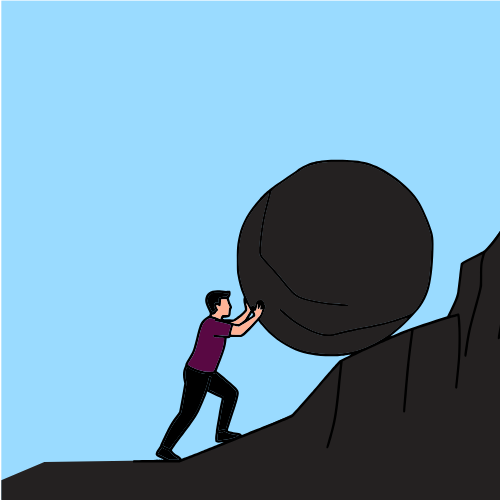
Most people don’t have a productivity problem. They have a priorities problem. They’re spending time improving tasks that never should have been theirs in the first place.
Workplaces quietly reward the person who “figures it out” and takes on extra responsibilities, a theme I explore further in Courage Isn’t Loud.
So you end up streamlining reports no one reads, organizing meetings that shouldn’t exist, or becoming faster at tasks that don’t move anything forward.
You feel productive, but you’re actually drifting further from the work that matters.
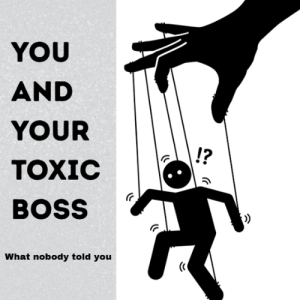
Over decades in both military and civilian environments, I watched teams pour hours into optimizing processes built on outdated assumptions. The military is good at that! Civilians’ businesses are good at that, too. Bad or toxic bosses are excellent at that.
I’ve seen people create beautiful spreadsheets for problems that didn’t need solving. (guilty, as charged.)
And I’ve watched talented professionals burn out because they kept polishing work that should have been questioned rather than perfected. The turning point always came when someone finally asked, “Why are we doing this at all?” I’ve explored this topic further in Progress Requires a Little Unreasonableness.
Side note: a fascinating story about “why are we doing this at all?” is the underlying reason we have the phrase “hold your horses”.
Hold your horses
Most people hear this as a casual way of saying “slow down,” but its roots are much more literal and much more relevant to the problem of perfecting the wrong work.
In 19th‑century artillery units, soldiers were assigned a specific job: hold the horses still while the cannon crew worked.
During firing or repositioning, the horses were powerful, anxious, and easily spooked. If they bolted, the entire operation fell apart. So someone’s whole role was to stand there, reins in hand, keeping the animals steady.
Here’s the part that matters:
Long after artillery stopped being horse‑drawn, the job title and the command stuck around.
Artillery units still had people assigned to “hold the horses” even though there were no horses. One or two of them would stand at attention or move to the rear during firing, to “hold the horses” and keep them calm.
Units kept saying “hold your horses” even when there were no horses left to hold.
It became a perfect metaphor for modern work, where people still perform tasks whose original purpose disappeared years ago.
We streamline reports no one reads. We polish processes no one needs. We “hold the horses” long after the horses are gone.
This is also the genesis for the phrase “fire the horse-holders”, which is mostly a military term, I believe, that indicates the need to rethink why something is done.
Before you perfect a task, it’s worth asking whether the task still deserves to exist at all.
This is the moment where most people realize they’re perfecting the wrong work. It’s an Insight moment – the kind that helps you see the real problem instead of the noisy one.”
Here’s a small way to reclaim your time today:
Before you improve a task, challenge its existence. Try asking:
- “What outcome does this actually support?”
- “Who depends on this, and how often?”
- “If we stopped doing this for a week, what would break?”
If the answer is “nothing,” you’ve found a task to eliminate, not optimize.
Your time is too valuable to spend perfecting work that doesn’t matter. Productivity isn’t about doing more. It’s about choosing what deserves your effort and letting the rest fall away.