The Hidden Curriculum of Work–Life Balance (Nobody Told You This Part)
I’ve been thinking a lot about how often work and life collide at the exact moment you wish they wouldn’t. This piece came out of one of those days – the kind where you’re doing your best to hold everything together and wondering why no one ever taught you how.
There’s a line I come back to on days like that:
It’s not the load that breaks you down, it’s the way you carry it.
— Lou Holtz
Most of us were raised on a simple idea: Work over here, life over there.
Two separate lanes. Two separate selves.
Then adulthood shows up and laughs in our faces.
Because the truth is this: work and life don’t sit side by side politely. They collide. Hard. And usually at the worst possible time.
And somehow you’re supposed to know how to handle it. Except nobody ever taught you how. Some insights would be helpful.
There’s a whole hidden curriculum to work–life balance. This is the stuff you only learn by getting knocked around a few times. The unspoken rules. The emotional pressure. The moments that blindside you and leave you thinking, “Why didn’t anyone warn me about this part?”
Let’s name a few of them.
1. You’re expected to absorb everyone else’s urgency
A last‑minute request. A sudden shift in priorities. A “quick question” that isn’t quick at all.
The unspoken rule is simple: Their urgency outranks your life.
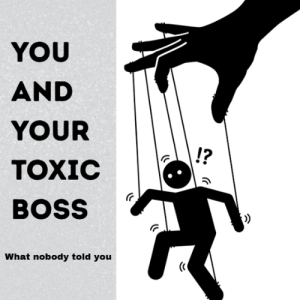
Or, another angle, your boss’s urgency outranks your life
You’re supposed to bend. You’re expected to stretch. Absorb the impact.
But that impact doesn’t disappear. It lands somewhere, usually on your evening, your sleep, or the people waiting for you at home.
2. You’re expected to switch gears faster than your nervous system can keep up
You close your laptop, but your shoulders are still up around your ears. You walk into your kitchen, but your brain is still in the meeting you barely survived.
And the expectation is: Be professional at work, be present at home.
As if your body has a toggle switch. As if you can downshift from “everything is on fire” to “everything is fine” in the time it takes to walk down a hallway.
Nobody teaches you how to do that.
3. You’re expected to set boundaries without upsetting anyone
You’re told to “speak up,” “advocate for yourself,” “set limits.”
But the hidden rule is: Do it without making anyone uncomfortable.
So you soften your language. You over‑explain. You apologize for having needs. Or you stay quiet because quiet feels safer.
Nobody hands you the words for, “I can take this on, but something else will need to shift.”
You’re left to figure it out in real time.
4. You’re expected to carry the emotional load for everyone
You’re not just doing your job. You’re managing:
- your boss’s stress
- your team’s confusion
- your family’s needs
- your own exhaustion
And you’re supposed to do it gracefully.
The hidden curriculum says: Hold everything together, even when you’re barely holding yourself together.
That’s not sustainable, and it’s not your job.
5. You’re expected to know what to do in moments you’ve never faced before
A crisis hits. A line gets crossed. A demand shows up that doesn’t fit inside the life you’re already juggling.
And you freeze. Not because you’re weak, but because your brain is trying to protect you.
The hidden curriculum assumes you’ll figure it out alone.
You don’t have to.
So what do you do with a hidden curriculum?
You give it a name.
You stop pretending it’s “just you.”
You learn the tools that help you stay steady when work and life collide. Being unreasonable during this time isn’t a terrible idea (if you do it right).
That’s what the Work–Life Compass is for.
Four directions. Not a rigid system. Not a perfect plan. Just a way to orient yourself when everything feels like too much:
- Clarity when you don’t know what to say
- Insight when you’re stuck in old patterns
- Grounding when your nervous system is overloaded
- Growth when you’re ready to shift something real
You don’t have to master all of them. You just turn toward the one you need right now.
If you want a place to start
When work–life collisions leave you speechless or overloaded, having the right words can change everything.
That’s why I created the 35 Professional Response Scripts. Steady, respectful language for the moments nobody prepares you for.
They help you:
- set boundaries without escalation
- stay calm when someone else isn’t
- protect your time and energy
- respond clearly when your brain is in freeze mode
If you’re navigating the hidden curriculum of work–life balance, these scripts are a solid first step.